
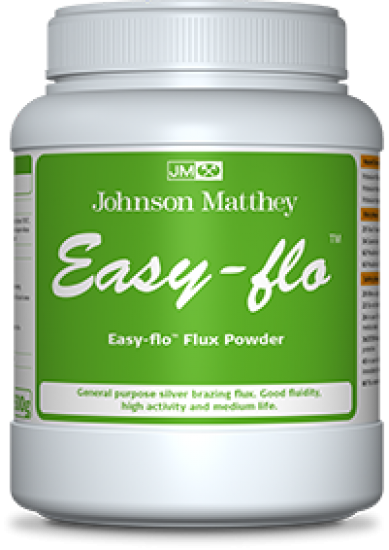

Flüx (flux), metal işçiliğinde, özellikle lehimleme, kaynak, döküm ve metal birleştirme işlemlerinde kullanılan bir kimyasaldır. Amacı, metal yüzeyleri oksitten arındırmak, lehimin/metalin düzgün yapışmasını sağlamak ve birleştirme sırasında oluşabilecek istenmeyen tepkimeleri engellemektir.
???? Flüx’ün Temel Kullanım Amaçları:
-
Yüzeydeki oksitleri temizler.
-
Lehimin akışını kolaylaştırır.
-
Metal yüzeylerin daha iyi yapışmasını sağlar.
-
İşlem sırasında yüzeyin yeniden oksitlenmesini engeller.
???? Flüx Nerelerde Kullanılır?
| Uygulama Alanı | Kullanım Amaçları |
|---|---|
| Elektronik Lehimleme | PCB üzerindeki bileşenlerin kolayca lehimlenmesi |
| Gümüş / Altın Lehimleme | Kuyumculukta metal parçaları birleştirmek |
| Pirinç, Bakır Lehimleme | Tesisat işleri ve takı yapımı |
| Cam Süsleme / Emaye | Metalin camla birleşmesini kolaylaştırmak |
| Sert Lehim (Brazing) | Yüksek sıcaklıkta metal birleştirme işlemleri |
???? Flüx Kullanımı – Adım Adım
1. Yüzeyi Temizle
-
Flüx uygulamadan önce, metal yüzeydeki kir, yağ ve oksitleri temizle.
-
Aseton, alkol veya zımpara kullanılabilir.
2. Flüx Uygula
-
İnce bir tabaka halinde fırça, kürdan veya çubukla sür.
-
Sıvı, jel veya toz formda olabilir.
3. Lehimle / Isıt
-
Lehim teli veya kaynak metaliyle ısıtarak lehimleme yapılır.
-
Flüx ısıyla birlikte aktive olur, yüzeydeki oksidi temizler.
4. Temizleme (Opsiyonel ama Önerilir)
-
İşlem bittikten sonra flüx kalıntılarını alkol veya özel temizleyiciyle temizle.
-
Özellikle elektronik devrelerde flüx kalıntısı iletkenlik sorunu yaratabilir.
⚠️ Dikkat Edilmesi Gerekenler
-
Fazla flüx kullanımı, özellikle elektronik devrelerde zarar verebilir.
-
Uygulamadan sonra temizlik önemlidir (özellikle rosin-based flüxlerde).
-
Asidik flüxler, zamanla yüzeyde korozyona yol açabilir.
???? Takı ve Kuyumculukta Flüx Kullanımı
-
Altın, gümüş, pirinç parçaları lehimlerken kullanılır.
-
Genellikle boraks bazlı flüx tercih edilir.
-
Alevle ısıtma sırasında metal yüzeyin temiz kalmasını ve lehimin iyi tutunmasını sağlar.
Etiketler: Flüx Easy flo, easy flo, lehim tozu, kaynak tozu, sert lehim dekapanı, flüx, fülüks, fuluks, flüks,